
· 5 min read · SureRoof
The short answer
For most Bozeman homes, a 30-year architectural asphalt shingle is the right call. For steep mountain cabins, snow-shed-sensitive entries, or owners planning to stay 30+ years, standing-seam metal earns its premium. Here's why.
Metal vs asphalt at 4,800 feet
Standing-seam metal
- 50+ year lifespan — often the last roof you buy
- Sheds snow and ice completely
- Unaffected by high-altitude UV
- Best choice for shops, cabins, and ag buildings
- Roughly double the installed cost
- Snow guards needed over doors and walkways
- Dents in hail, and insurance rarely pays for cosmetic dents
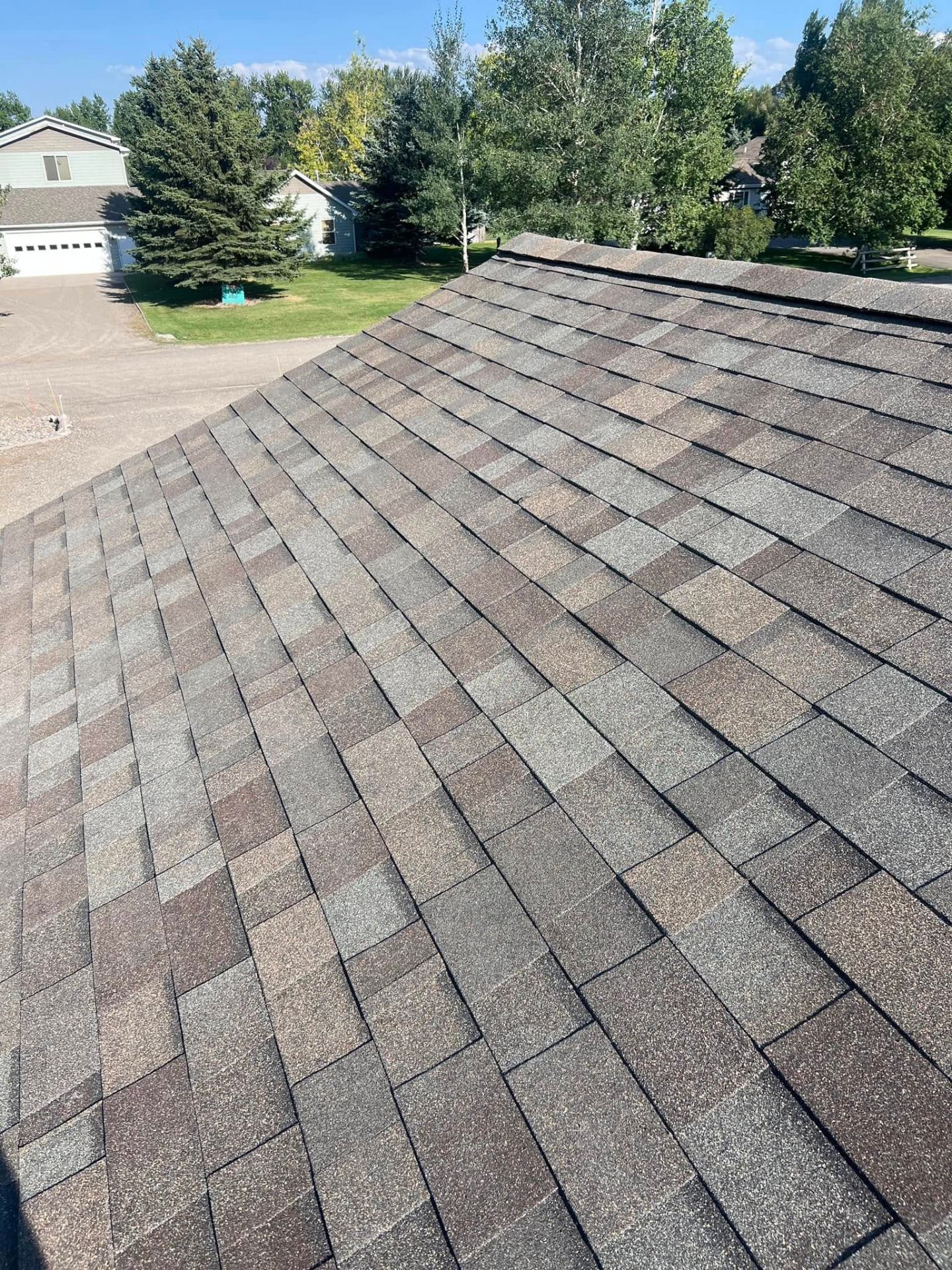
Architectural asphalt
- Best cost-to-lifespan value for standard homes
- Class 4 options resist hail and can lower premiums
- Holds snow evenly on 4/12–6/12 pitches
- Matches what insurance payouts assume
- 25–30 year lifespan instead of 50
- Cheap 3-tab shingles bake out fast at altitude
- Heavy snow retention needs proper ventilation below
Snow shedding
Metal sheds snow. That sounds great until 800 lbs of frozen snow lets go above your front door at 7 AM. On cabins in Big Sky and steep lots in Bridger Canyon we install snow guards or retention fences — that's an extra cost most homeowners don't budget for. On a typical Bozeman ranch with a 4/12 or 5/12 pitch, asphalt shingles hold snow evenly and let it melt off without the avalanche risk.
UV at 4,800 feet
Bozeman sits about a mile up. That thinner atmosphere means roughly 20% more UV than sea level, and UV is what ages shingles. Quality asphalt (Malarkey Vista or Legacy, what we install on most homes) is rated for the altitude — but cheap 3-tab shingles bake out fast up here. Metal doesn't care about UV at all. If you're picking asphalt, pick the right asphalt.
Hail
The Gallatin Valley sees real hail almost every summer. Class 4 impact-rated asphalt shingles (Malarkey's rubberized SBS shingles qualify) handle nickel-to-quarter sized hail without cracking — and your insurance often discounts the premium for Class 4. Metal dents in hail. The dents are cosmetic, not structural, but on a $40K standing-seam roof, cosmetic matters. Insurance rarely pays to replace dented panels.
30-year cost
On the average 2,400 sq ft Bozeman home in 2026:
Installed cost, 2,400 sq ft Bozeman home (2026)
| System | Lifespan | Notes |
|---|---|---|
| Architectural asphalt (Malarkey Vista) | 25–30 years | Best value on standard subdivisions |
| Class 4 impact asphalt (Malarkey Legacy) | 30+ years | Hail resistant, often an insurance discount |
| Standing-seam metal (24-gauge) | 50+ years | Highest cost, lowest lifetime cost per year |
Over 30 years, asphalt is cheaper. Over 50, metal wins. Pick based on how long you plan to own the home.
When we recommend metal
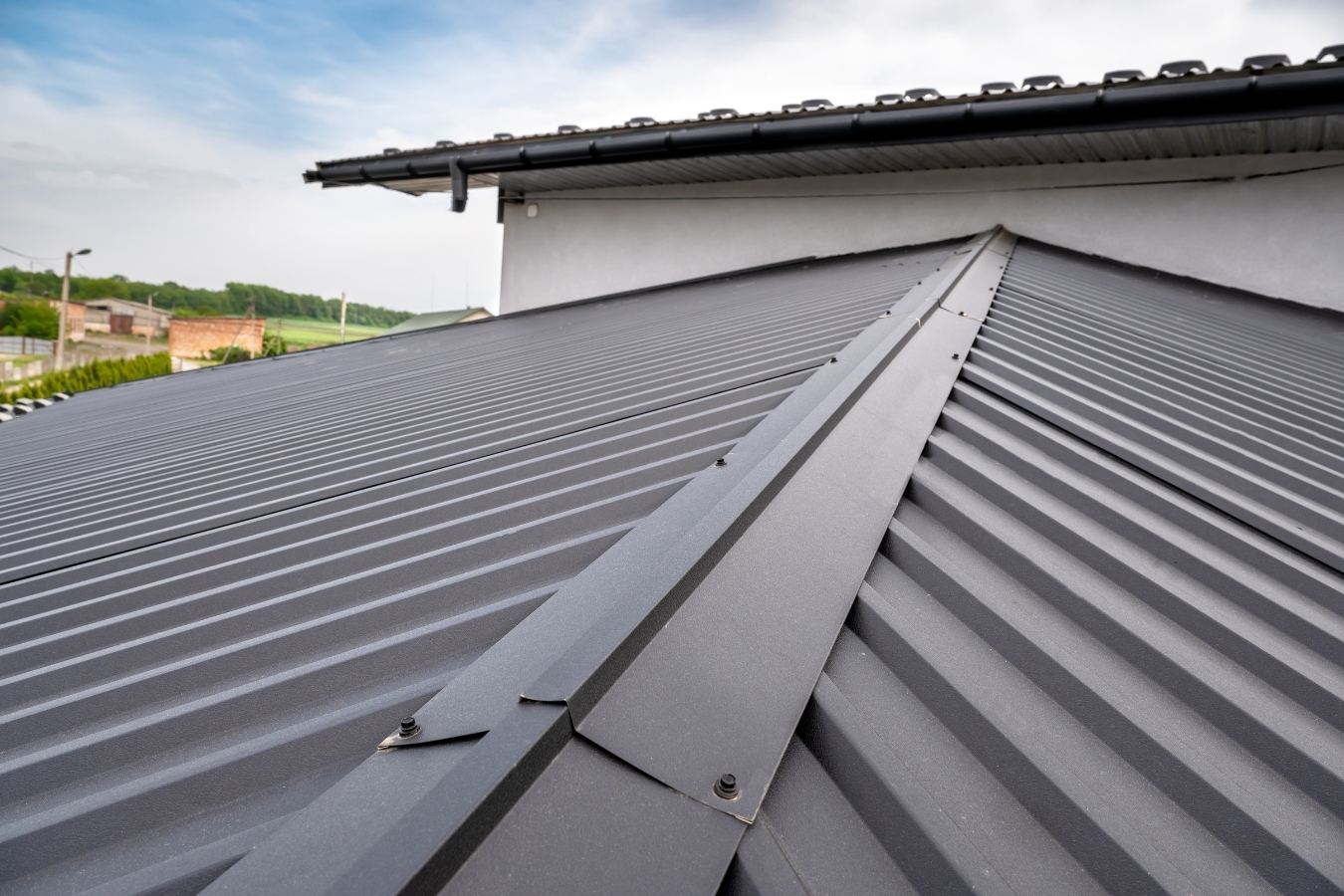
- Steep mountain cabins where snow load is the dominant concern.
- Modern architecture where standing-seam is the design intent.
- Owners staying 30+ years who want the last roof they'll ever buy.
- Outbuildings, shops, and ag structures — metal's natural home.
When we recommend asphalt
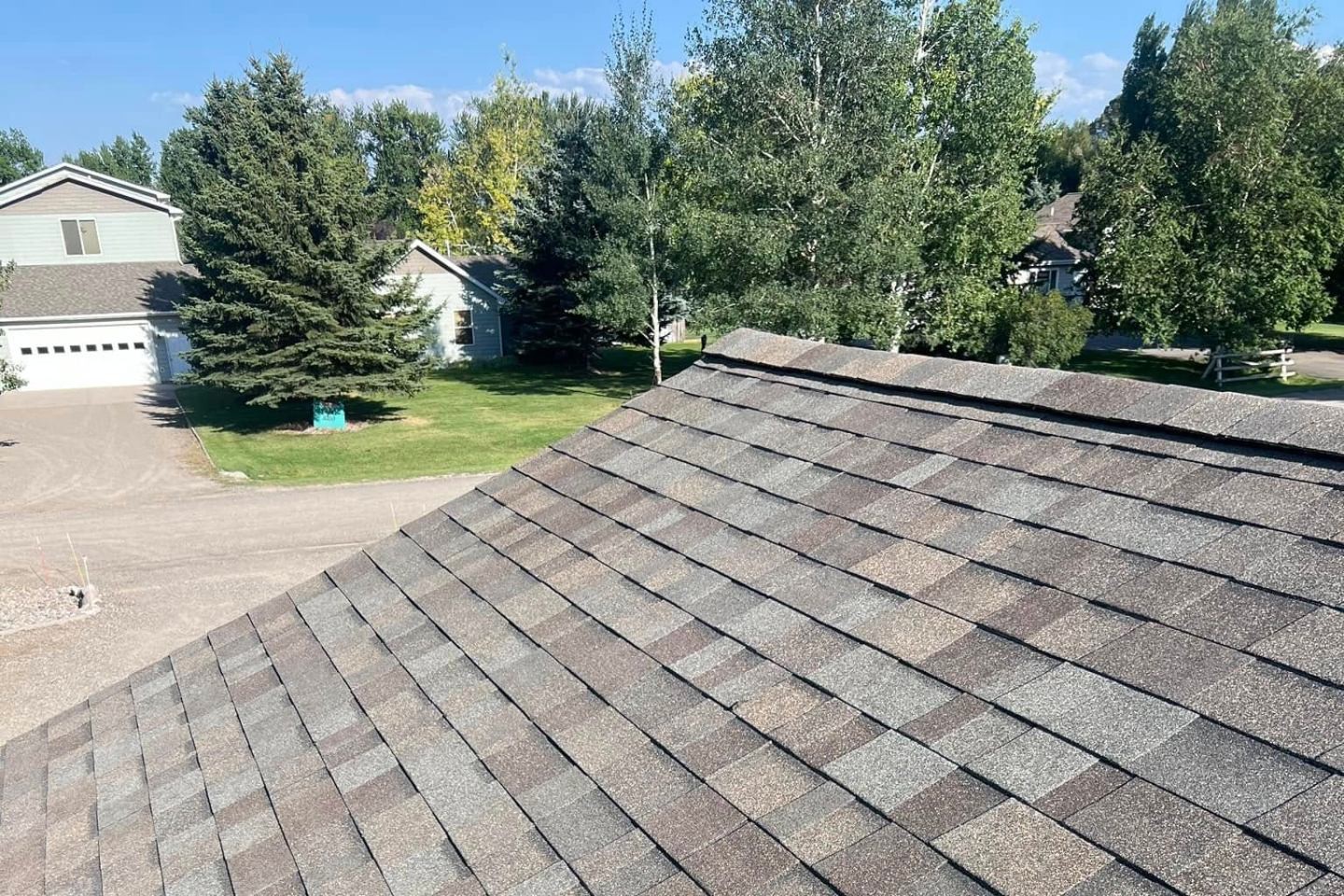
- Standard Bozeman, Belgrade, and Four Corners subdivisions.
- Anyone trading off cost vs lifespan — Class 4 asphalt is the sweet spot.
- Insurance-claim replacements where the payout assumes asphalt.
Want a straight answer for your specific roof? Request an estimate — we'll look at the roof and quote both options so you can compare real numbers.